




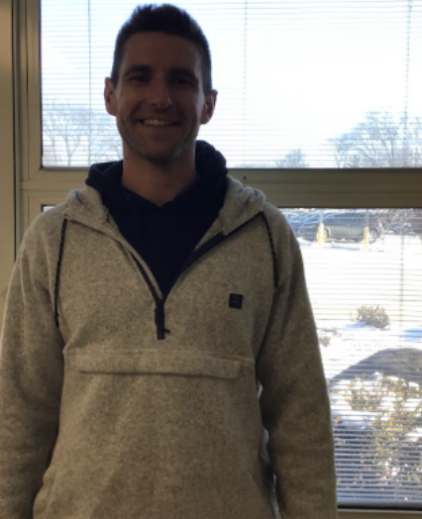












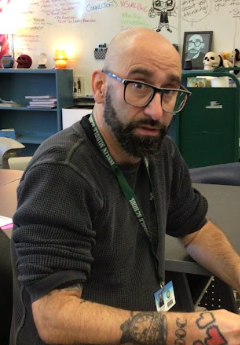










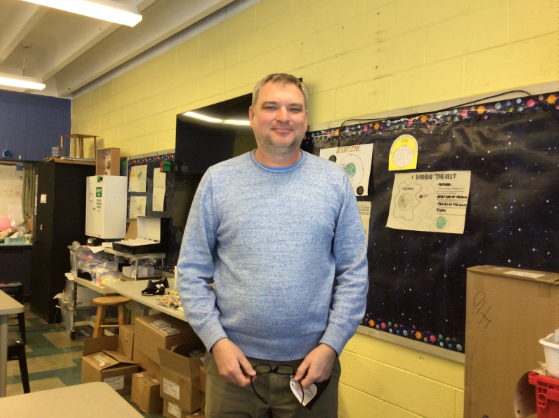
Science teacher, Mr. Vizian, imagines a dream field trip to the Caribbean by airplane and boat, where students would study coral reefs, learn about climate change, and experience life on the water through scuba diving and snorkeling.
For his perfect field trip, Mr. Vizian said he would take students to the Caribbean by boat so they could conduct hands-on research in the ocean and explore the surrounding islands.
“I would love to go to the Caribbean and go on a boat because I can have my students do all kinds of research on coral and fish, and do work testing on the Caribbean island,” he said.
He first learned about the destination from promotional emails sent to teachers about international student travel, and thought the Caribbean would offer unique and different opportunities for environmental science.
“So I would also be getting emails about going, like as a teacher with students going down to different places, such as London, Paris, and they have the Caribbean, so I thought that would be a cool place to go,” he said.
On this trip, the focus would be on coral reefs and climate change. Students would investigate how coral dies off, how reefs can be restored, and how warming oceans affect marine life.
“I would love for them to learn about how coral dies off and how to regenerate coral, and how global warming would affect the coral and affect the fish. I would love to do that,” he said.
Planned activities would include scuba diving, snorkeling, and basic dive instructions so students could observe coral and fish up close while connecting the experience to lessons on earthquakes, volcanoes, and ocean ecosystems.
“Most kids don’t have a lot of money, so we would need fundraising and parent support and school support. That’s probably one of the biggest things to do, and getting the kids down there,” he said.
In the end, Mr. Vizian said he hopes students would return with a stronger understanding of environmental science and the urgency of protecting coral reefs in a warming world.
“That global warming is a big part of our planet now, and the fact that all the coral is dying, and there has to be ways to grow more coral to accommodate the heat of the water or the temperature of the water,” he said.