





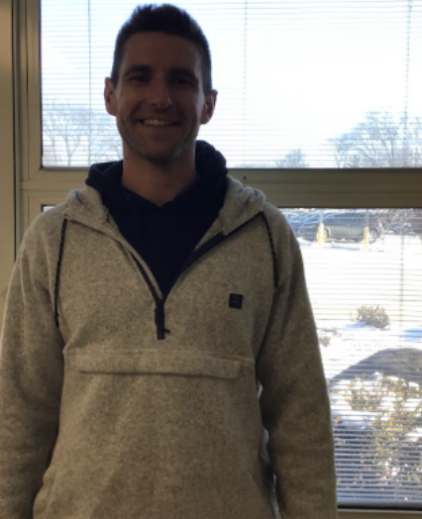







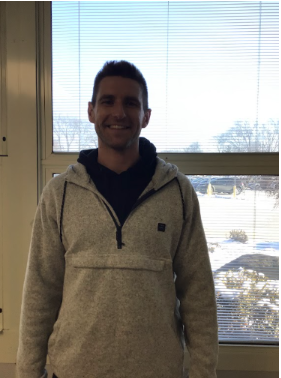




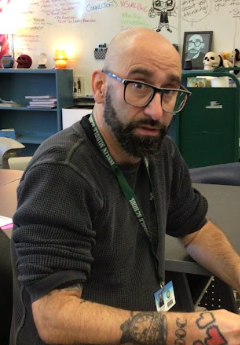

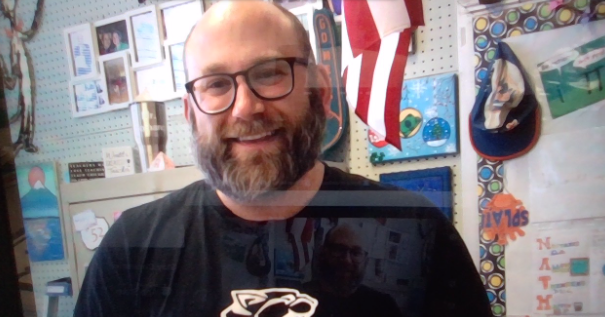






Mrs. Ruffle is a passionate educator who teaches both graphic novels and English Language Art (ELA), recently she shared her experiences in a candid interview.
Her day centers on graphic novel classes for most of the day.
“My day starts with setting up the graphic novel, making sure the students are on task and they’re reading their books and doing their assignments,” she explained.
Her final period is ELA, which tends to be more academically rigorous and comes at the end of the day.
She was inspired to enter teaching after a powerful experience in high school.
“In my junior year I had an amazing teacher that inspired me to want to become a teacher,” she said.
Switching between the relaxed vibe of her elective classes and the more serious tone of ELA is her biggest daily challenge.
“I think I just have to make the switch and turn on a more serious persona when I get to the dark side, because I have a more relaxed demeanor in my graphic novel classes because they’re fun and electives,” she said.
She relies on the wisdom of experienced colleagues when building her reading lists.
“I ask opinions from other veteran teachers throughout the district,” she said.
Watching students have breakthroughs brings her the most joy.
“I love when the light bulb goes on and something that I’ve been trying to teach them finally clicks and they apply it to their writing or reading,” she shared.
She keeps lessons dynamic by moving beyond traditional worksheets.
“I try to make it not all pen to paper academic work… I try to make it more interactive,” she explained.
While studying Anne Frank, for example, students responded to a personal prompt: “How would you respond to being locked away in the attic?” This approach helps students immerse themselves in the text rather than just analyze it from a distance.
One of her most rewarding experiences is seeing former students recognized at graduation. She emphasizes character from day one.
“That’s the first thing I say to my students on the first day of school is that I want them to be good people.”
Watching students being honored for kindness and good character at year’s end makes her “really proud.”
She began teaching in 2010. Over the past 16 years, technology has transformed the classroom. Early in her career she placed heavy emphasis on limiting technology; today digital tools are far more central.
She hopes students learn to connect literature to their own lives: applying reading strategies and relating texts to personal experiences.
If she could change one thing about education, it would be greater student accountability.
“I would have everything they do, especially when they’re absent, making up their work and having it fall on their shoulders… the shift should shift to the student,” she said.
The teacher’s insights highlight her commitment to creating engaged, thoughtful, and responsible young people through literature and personal connection. Her approach blends fun, rigor, and real-world relevance in the classroom.