













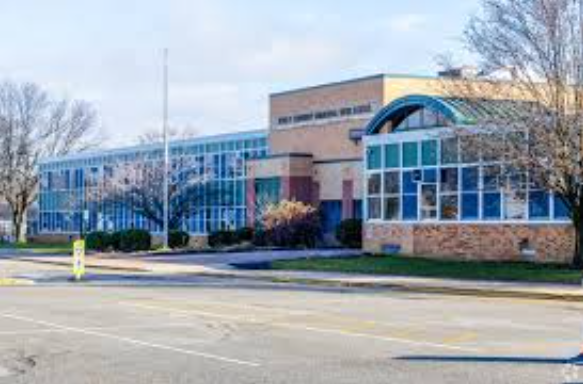






School is supposed to be a place where students’ creativity grows, but if you ask most kids in the hallway, they’ll tell you the opposite. The Panther Press interviewed teachers at Iselin Middle School to see how school really affects students’ creativity.
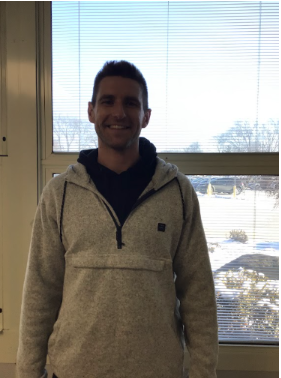
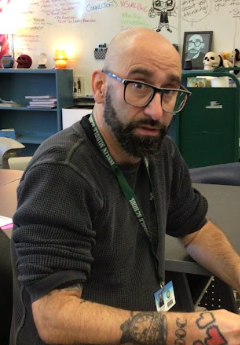
Joseph DeLuca, an honors math teacher, believes that kids are born with creativity, but it’s like a muscle that needs to be exercised. He says that even if you aren’t “born” creative, you can still develop those skills later in life through new experiences.
If Mr. Deluca could change one thing about school, he would bring back 90-minute blocks. The 60-minute block can feel rushed, limiting time for student questions before class ends.
“The extra 30 minutes gives teachers and students the ability to process materials, think, and explore,” Mr. DeLuca explained.
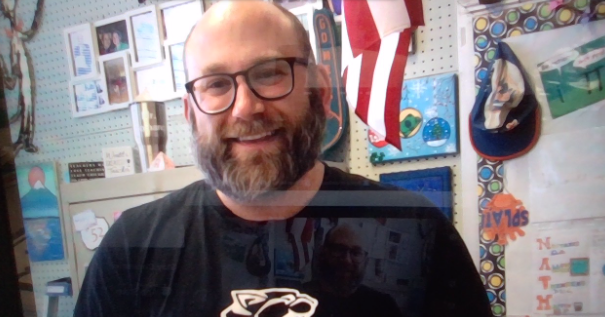
Lisa Lubarsky, a stem teacher, has seen things change over the years. She mentioned that in the last ten years, she has actually seen more opportunities for students to be creative. By solving problems on their own, students build resilience and a more positive mindset.
“Creativity is a great outlet for humans,” Mrs. Lubarsky said, stating how it helps students develop as they get older.
However, there is one big thing holding students back which is the fear of failing. All interviewed teachers agreed that worries about lower grades often prevent students from taking creative risks.
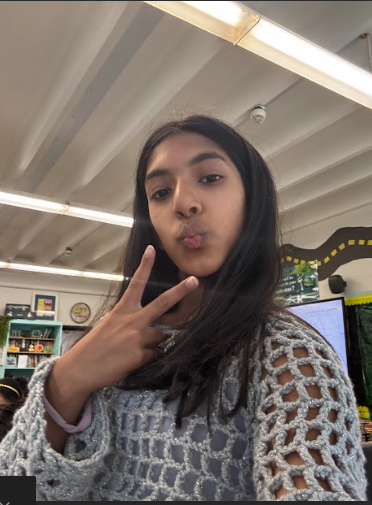
Mrs. Leone, the art teacher, states many students doubt themselves because they think their art has to look a “certain way” to be good. She believes the thinking process and the final answer are equally important.
“The ability to solve on their own is rewarding for students whether they get the answer right or wrong,” Mrs. Leone said.
Mrs. Lubarsky observes that students are initially hesitant to take risks, yet she actively encourages them to try regardless. Taking risks can help students understand that mistakes are a part of the learning process.
Ultimately, the interviewed teachers believe school should be a place where students feel safe trying new things. Learning to appreciate the beauty around them and solving problems independently are skills that will help students beyond middle school.